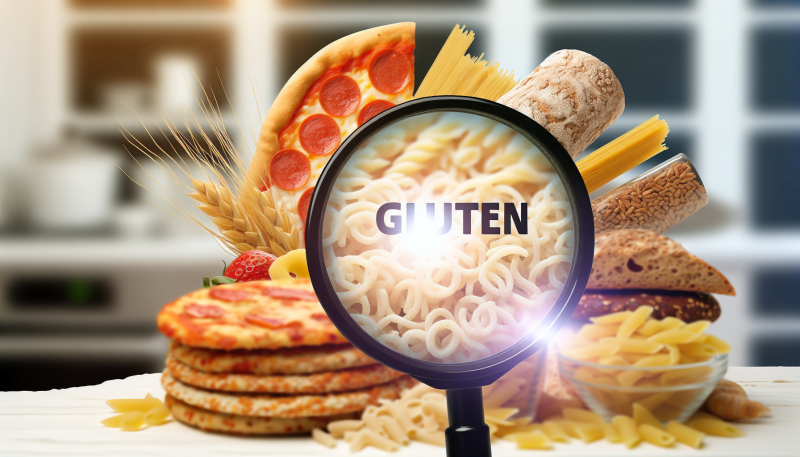
Gluten is a protein found in wheat, barley, and rye. It gives bread its chewy texture and helps baked goods rise. For folks with celiac disease, eating gluten can cause serious damage to the intestines. Even those who aren't diagnosed with any disorder might feel bloated or uncomfortable after eating gluten. Choosing gluten-free foods can clear up those issues and make meal times more enjoyable.
So, what does a gluten-free diet look like? It’s not just about skipping bread and pasta. Many naturally gluten-free foods are available, like fruits, vegetables, meat, and rice. You can whip up delicious meals without a tinge of worry. Plus, there are tons of tasty gluten-free snacks and treats out there, so you won't miss out on the fun.
Don’t let the myths confuse you. A gluten-free diet isn't just for those with specific medical conditions. Lots of people choose it because they feel better overall. It’s about finding what works best for your body and lifestyle. Just remember to read labels and choose whole foods whenever possible to keep your meals healthy and balanced.
Common Myths About Gluten-Free Foods
First off, many people think that all gluten-free foods are healthy. Not true! Just because something is labeled gluten-free doesn’t mean it’s automatically nutritious. Some gluten-free snacks can be packed with sugar and unhealthy fats. Always check the labels!
Another big misconception is that gluten-free diets are just a fad. Sure, more people are trying it out now, but for many, like those with celiac disease or gluten sensitivity, it’s a necessity. For these folks, avoiding gluten isn’t a trend; it’s vital for their health.
Then there’s the idea that gluten-free diets lead to weight loss. This one can be misleading. While some people may lose weight after cutting out gluten, others may not. It's all about overall diet choices and lifestyle. Don’t assume that just going gluten-free will help you shed pounds.
Lastly, many believe that gluten is only found in wheat. In reality, gluten can also be found in barley and rye. So, for anyone avoiding gluten, it’s important to keep an eye on all your grains and not just wheat. Reading ingredient labels is key to staying safe!
Facts About Gluten Intolerance
Gluten intolerance can be a bit confusing, but it’s important to know the facts. First off, gluten is a protein found in wheat, barley, and rye. For many people, gluten is just a regular part of their diet. But for some, it can cause real health issues. If you’re feeling bloated, tired, or have digestive problems after eating gluten, it might be worth looking into.
It’s also worth noting that gluten intolerance is different from celiac disease. Celiac disease is an autoimmune disorder that can seriously damage the intestines if gluten is consumed. Gluten intolerance, on the other hand, might not have the same severe effects, but it can still be uncomfortable. If you think you might have gluten intolerance, it’s smart to talk to a healthcare professional.
Many people believe gluten-free foods are automatically healthier, but that’s not always true. While gluten-free labels might grab your attention, check the ingredients. Some gluten-free products are packed with sugar or fats to make up for the texture that gluten provides. Focus on whole foods like fruits, vegetables, lean proteins, and gluten-free grains like quinoa and rice for a balanced diet.
The good news is there are plenty of delicious gluten-free options available. You can find everything from pasta to bread that fits into a gluten-free diet. Just make sure to read the labels and do a little research. Your food choices can still be tasty and satisfying without gluten!
Benefits of Going Gluten-Free
Going gluten-free isn’t just a trend; it can offer real benefits for many people. If you’re living with celiac disease or gluten sensitivity, cutting out gluten can be a game-changer. It helps eliminate those pesky symptoms like bloating, gas, and fatigue. Imagine finally feeling good after meals instead of miserable!
Even for folks without gluten issues, a gluten-free diet can lead to healthier eating choices. With more attention on labels, many people start incorporating whole foods like fruits, veggies, and lean proteins. This means you're filling your plate with nutrient-dense options instead of processed snacks that might have gluten.
Another cool benefit? Increased energy levels. Many people report feeling more energized once they ditch gluten-filled foods. No more post-meal sluggishness! With that boost, you can tackle your day with a little extra pep in your step.
Let’s not forget about digestive health. A gluten-free diet can improve gut health for some individuals. With a focus on fiber-rich, gluten-free grains like quinoa or brown rice, you’re supporting your digestion and overall wellbeing.