You might think that just because a product is naturally gluten-free, like rice or corn, it’s safe. But here’s the catch: many packaged foods are processed in facilities that handle gluten-containing grains. This can lead to cross-contamination. To stay safe, always check for labels that clearly state “gluten-free.” This label means the product has been tested to ensure it contains less than 20 parts per million of gluten, which is the safety benchmark.
Then there are ingredients like malt or modified food starch. Malt usually comes from barley, which definitely contains gluten. If you see this on a label, it’s best to steer clear. Modified food starch can be tricky too. It can be derived from gluten-containing grains or gluten-free ones. If you're unsure, reach out to the manufacturer for clarity or look for products that are certified gluten-free.
Reading labels might take a little extra time, but it’s crucial for keeping your meals safe. To make things simpler, you can write down common gluten-containing ingredients or keep a list of brands you trust. This way, shopping becomes a lot less daunting. You got this! Just remember to stay vigilant and ask questions when you’re uncertain.
Common Gluten Sources to Watch Out For
If you're navigating a gluten-free lifestyle, it's super important to know where gluten likes to hide. Some surprising foods might contain gluten even if you wouldn’t expect them to. Here are some common culprits to keep an eye out for:
Being aware of these sources makes it easier to choose foods that keep you gluten-free without a hitch. Reading labels is key, and when in doubt, reach out to brands to ask about their practices. It’s all about protecting your health while enjoying your meals!
Reading Labels Like a Pro
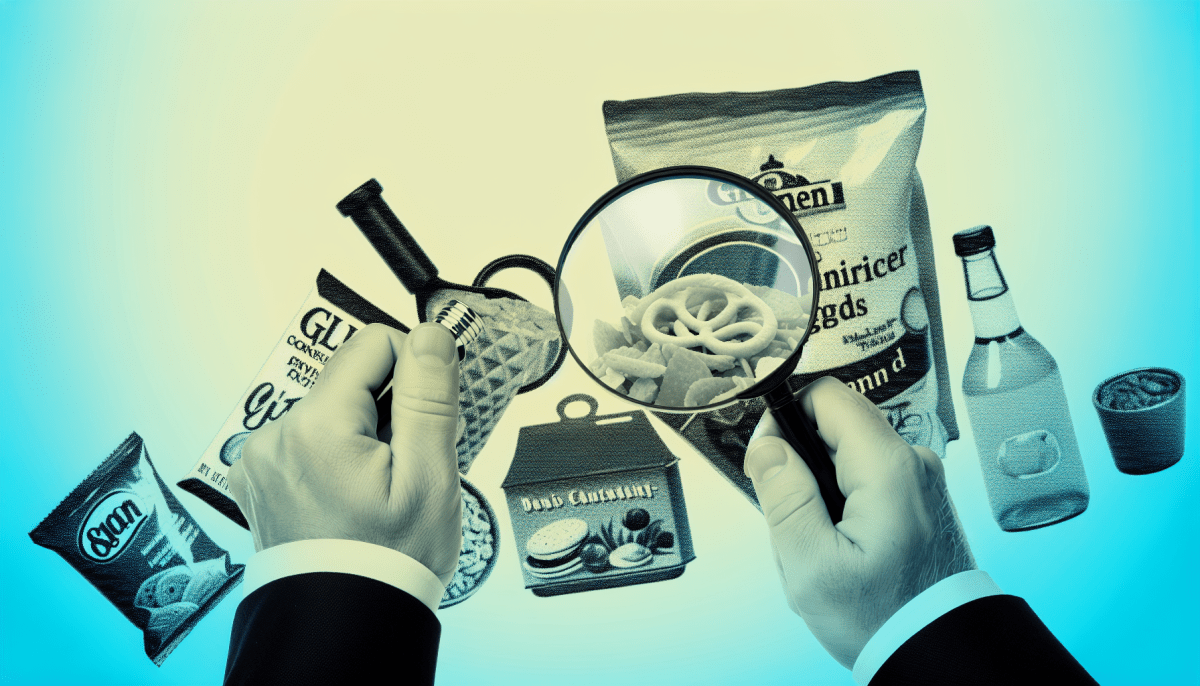
Let’s talk about reading labels. It might seem tedious, but getting the hang of it can really help you dodge hidden gluten in processed foods. The first thing to know is about the ingredient list. If you see anything that includes wheat, barley, or rye, you’ve got gluten. But watch out—some sneaky ingredients can throw you off. Common culprits include malt, hydrolyzed wheat protein, and even certain flavorings.
Next, check out the “contains” statement. This is usually right near the ingredient list and will clearly say if the product has any major allergens, including wheat. If it’s not listed on the package and you’re unsure after reading the ingredients, don’t hesitate to reach out to the manufacturer. It’s better to ask than to take a chance.
Also, don’t just focus on the front label hype. Those claims like “gluten-free” can be misleading sometimes. Always flip it over and check the actual ingredients. Some products might say gluten-free but still have cross-contamination risks. Look for certified gluten-free labels if you want to play it safe. They go through extra testing to ensure they'll keep you gluten-free.
Lastly, get familiar with sneaky terms. Things like “modified food starch” or “natural flavors” can hide gluten. Even some sauces, dressings, and snacks can contain small amounts, so be extra cautious there. It might take a bit of time, but once you know what to look for, reading labels will feel like a breeze!
Tips for Safe Gluten-Free Shopping
Shopping for gluten-free products can feel a bit like a treasure hunt. Here are some handy tips to help you navigate the aisles like a pro:
First off, always check the labels. Ingredients can sneak in gluten under crafty names like malt, wheat starch, or even modified food starch. Familiarize yourself with these terms to avoid any surprises. If you see something you don't recognize, look it up or choose something else.
Next, go for certified gluten-free products when you can. This label means that the product has been tested and meets strict gluten-free standards. It gives you peace of mind, knowing you’re eating something that’s safe.
Don’t forget about cross-contamination! Sometimes, gluten can hitch a ride on foods that are naturally gluten-free. Look for brands that prioritize gluten-free manufacturing processes. It’s a small detail that makes a big difference.
Finally, keep your shopping list handy. Stick to whole foods, like fruits, vegetables, and lean meats, which are naturally gluten-free. That way, you can avoid processed foods that might have sneaky gluten added in. Happy shopping!